
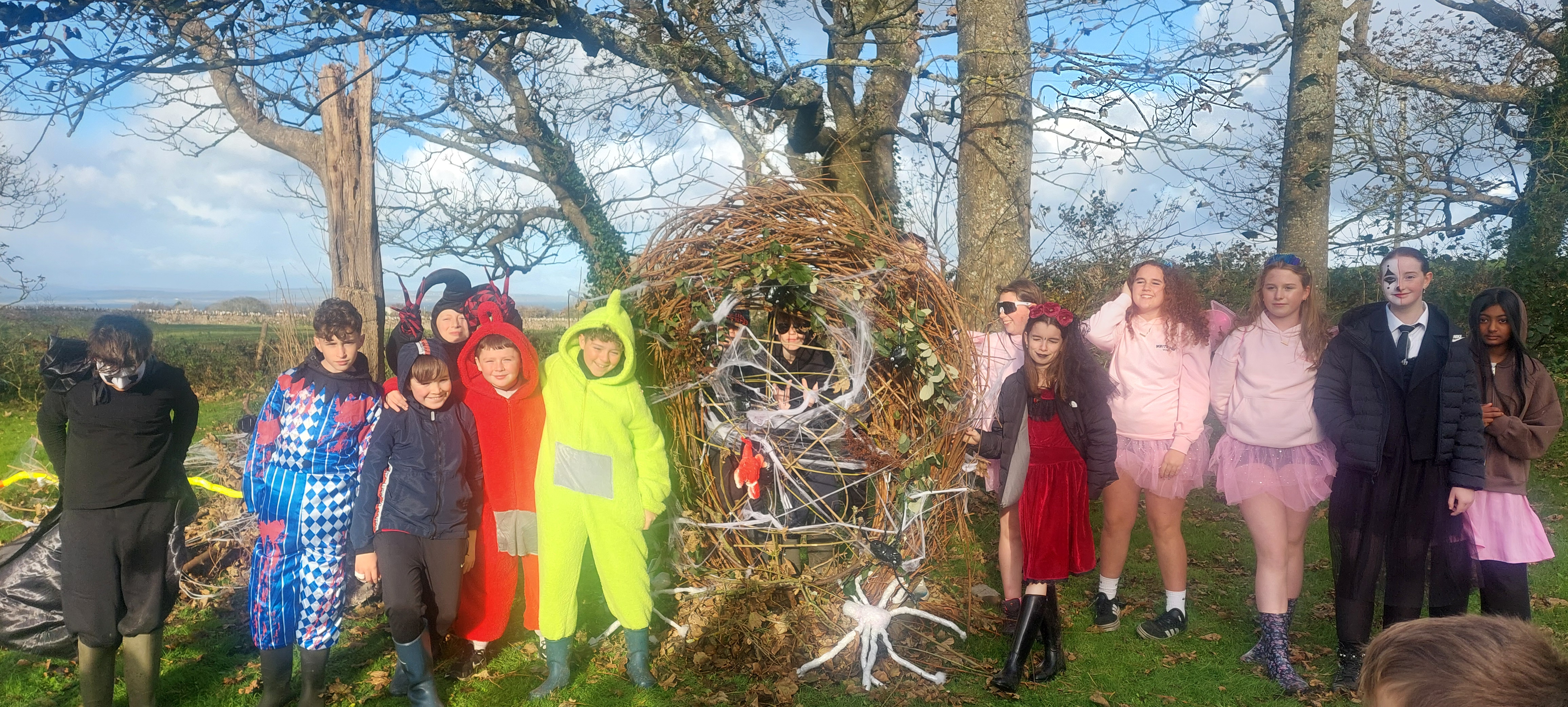
Basketball All Stars
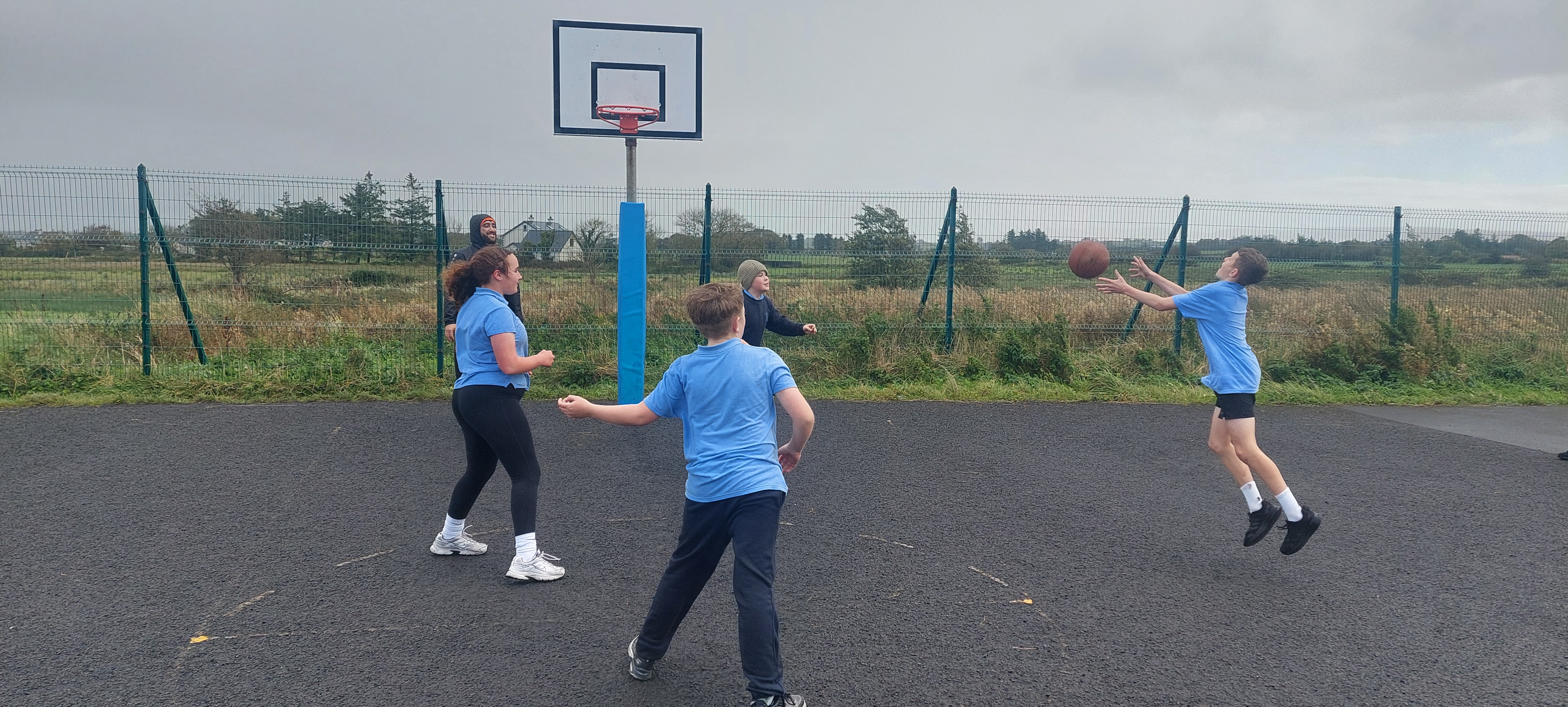
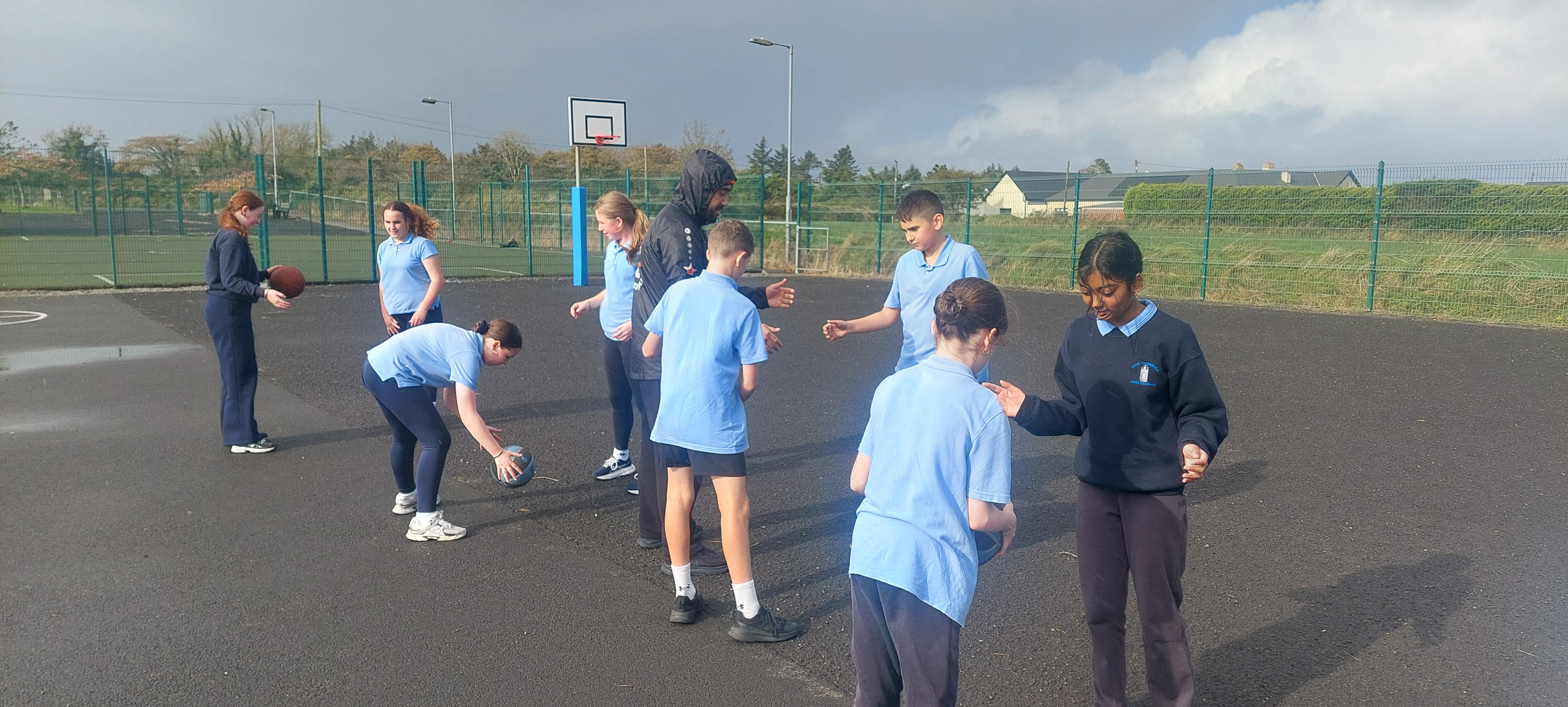
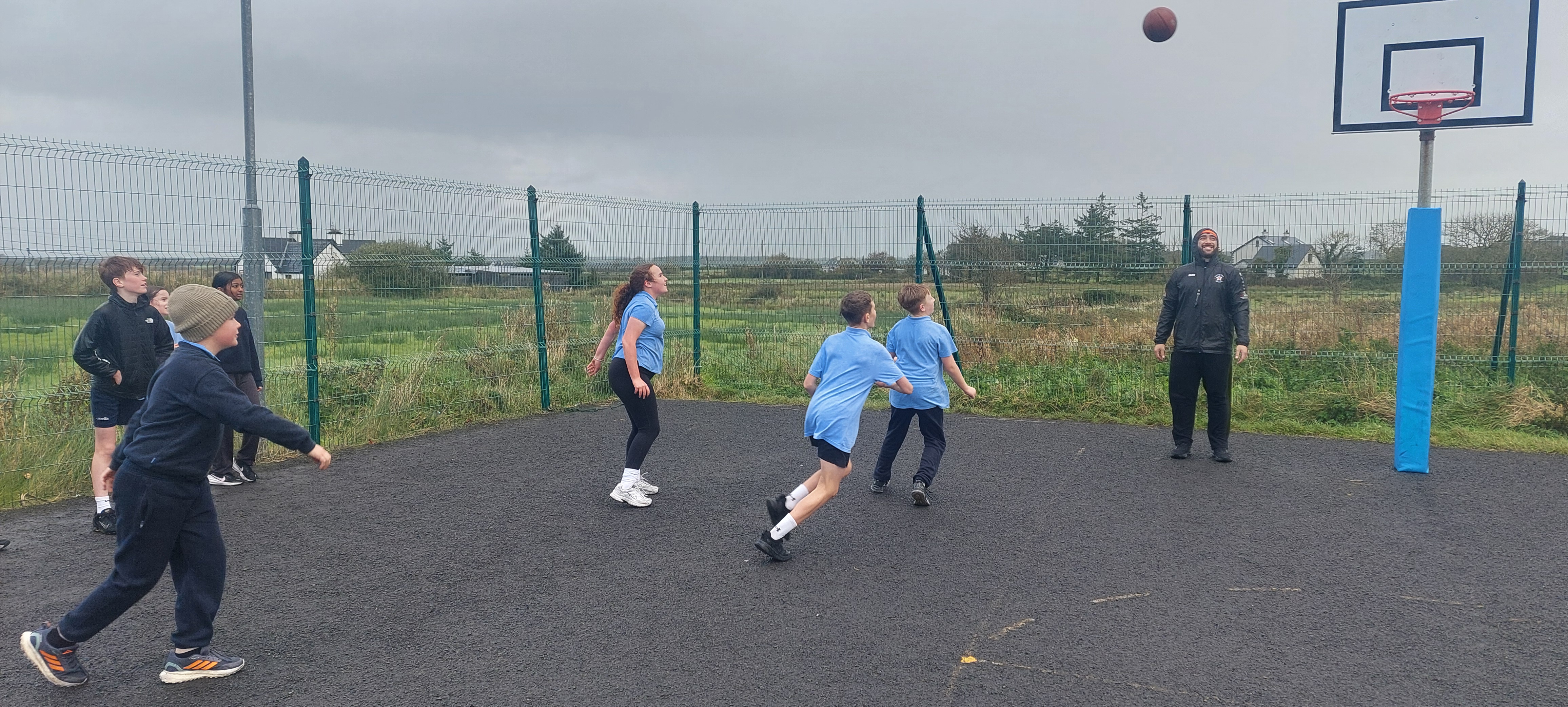
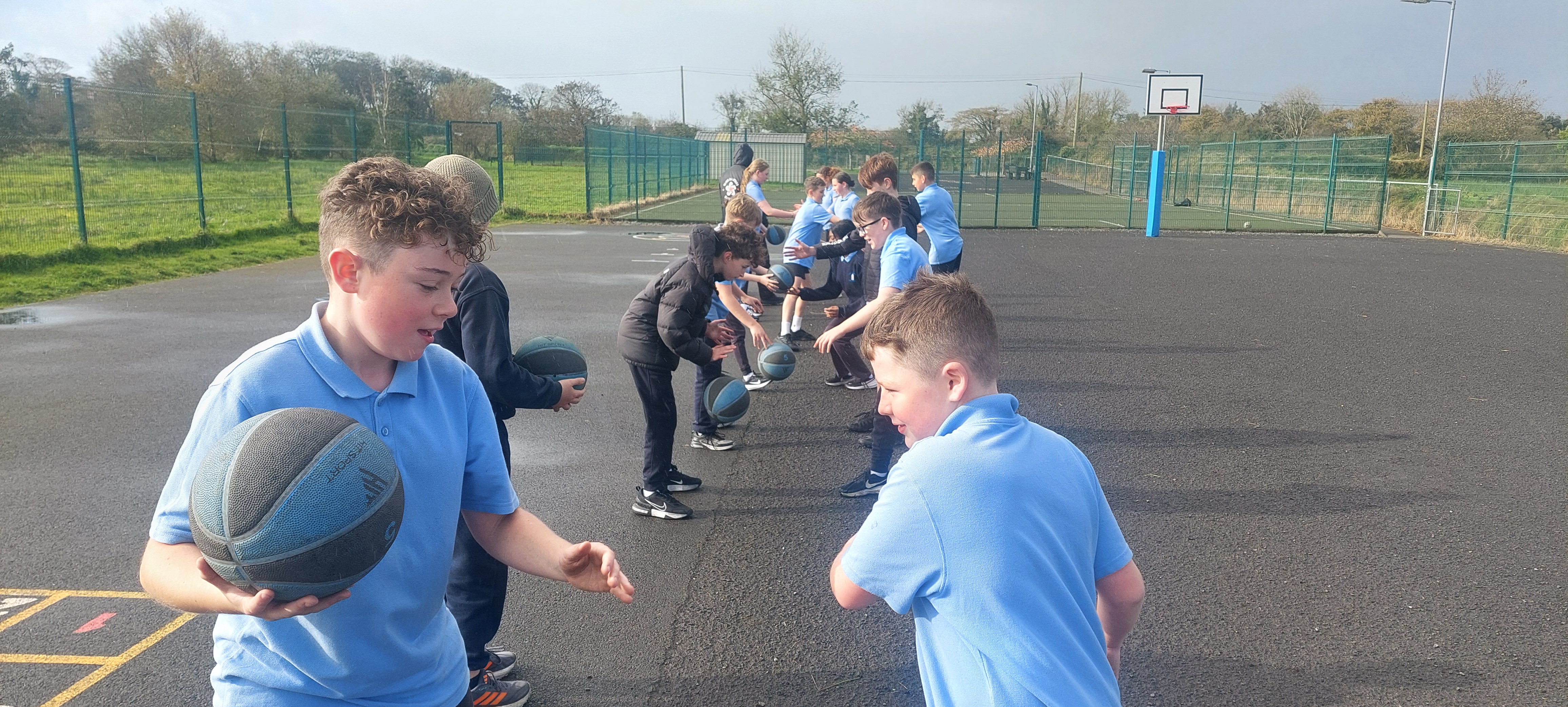
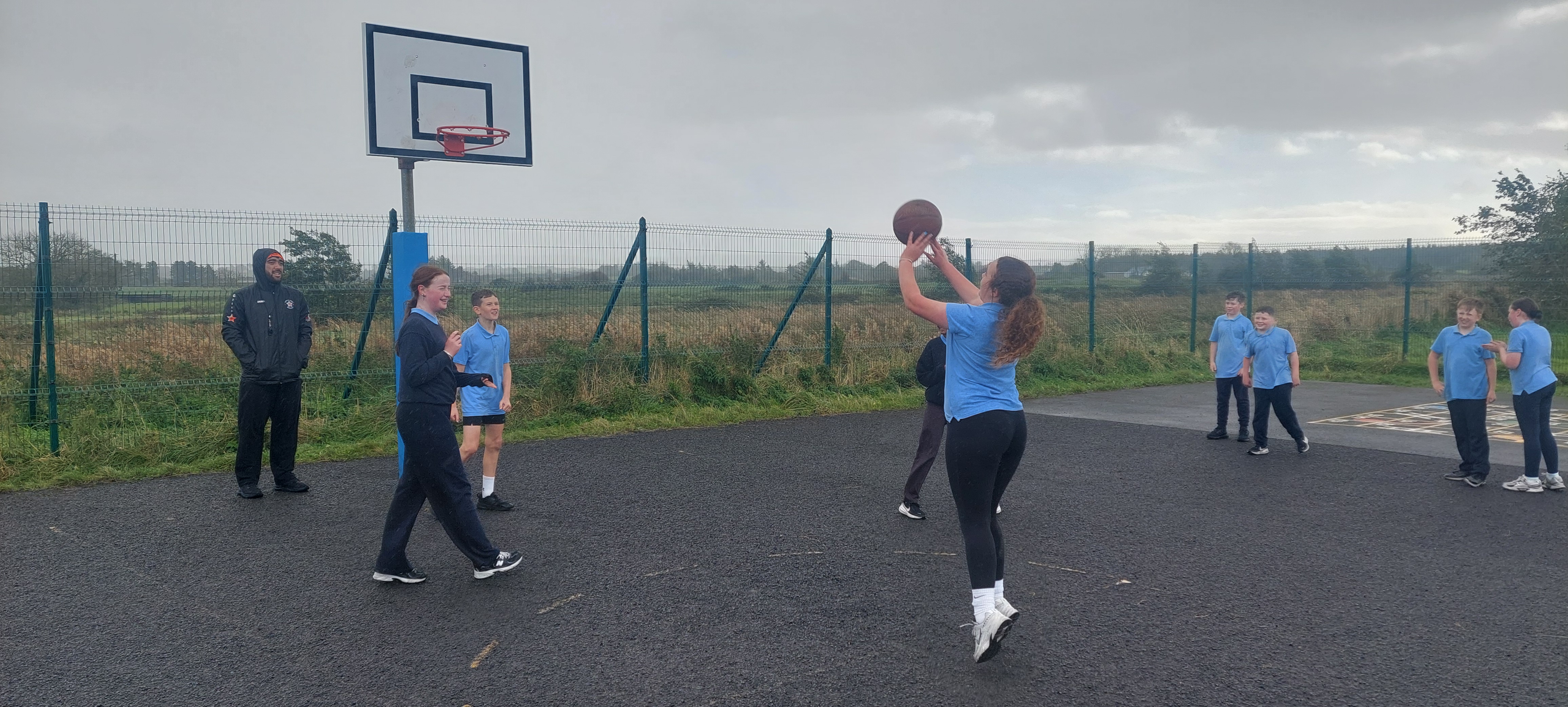
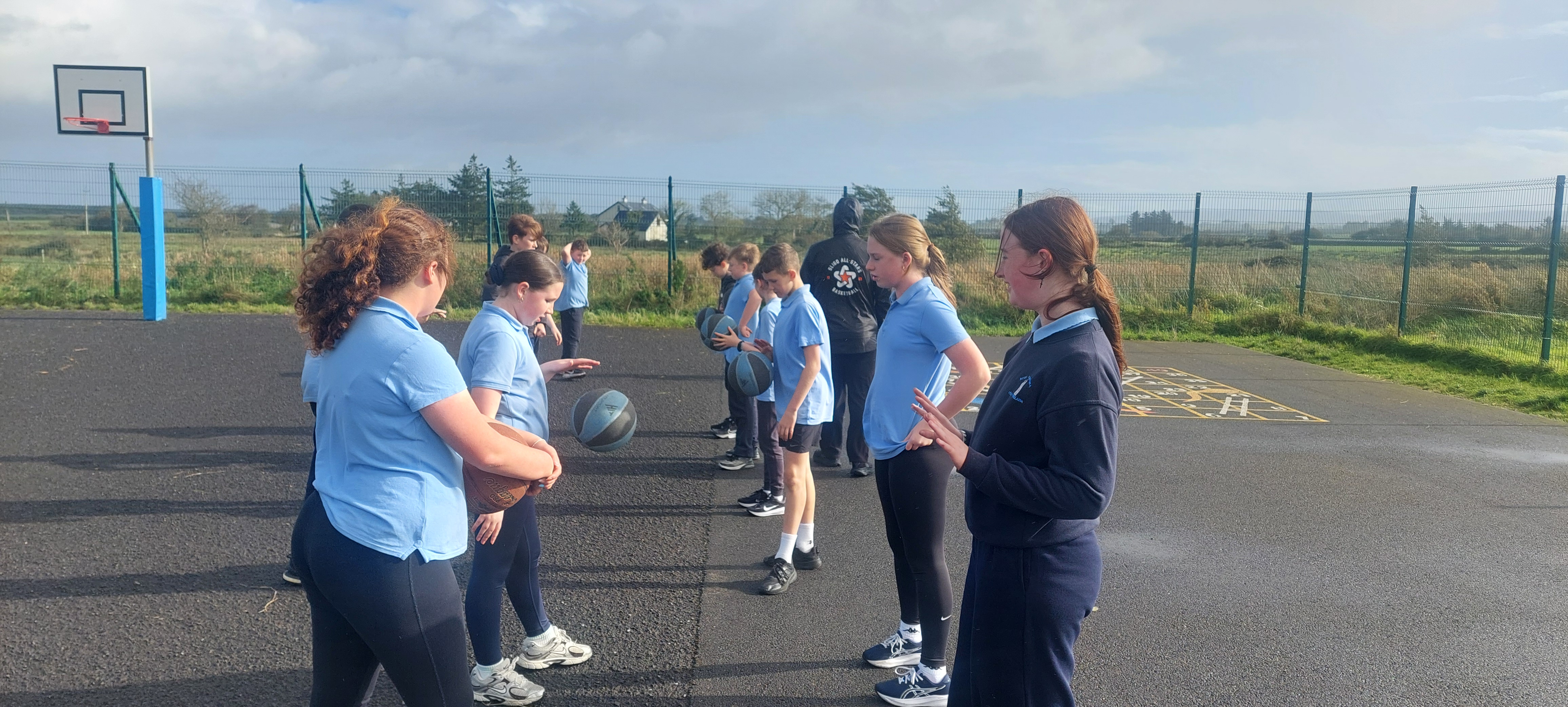
The children in Sixth Class are enjoying their basketball coaching sessions with Sligo All Stars player and coach Elijah Faapito. Elijah has provided great sessions on mastering the basics – reactions, footwork, ball handling and shooting. The children are having great fun building their skills and confidence.
Creative Writing
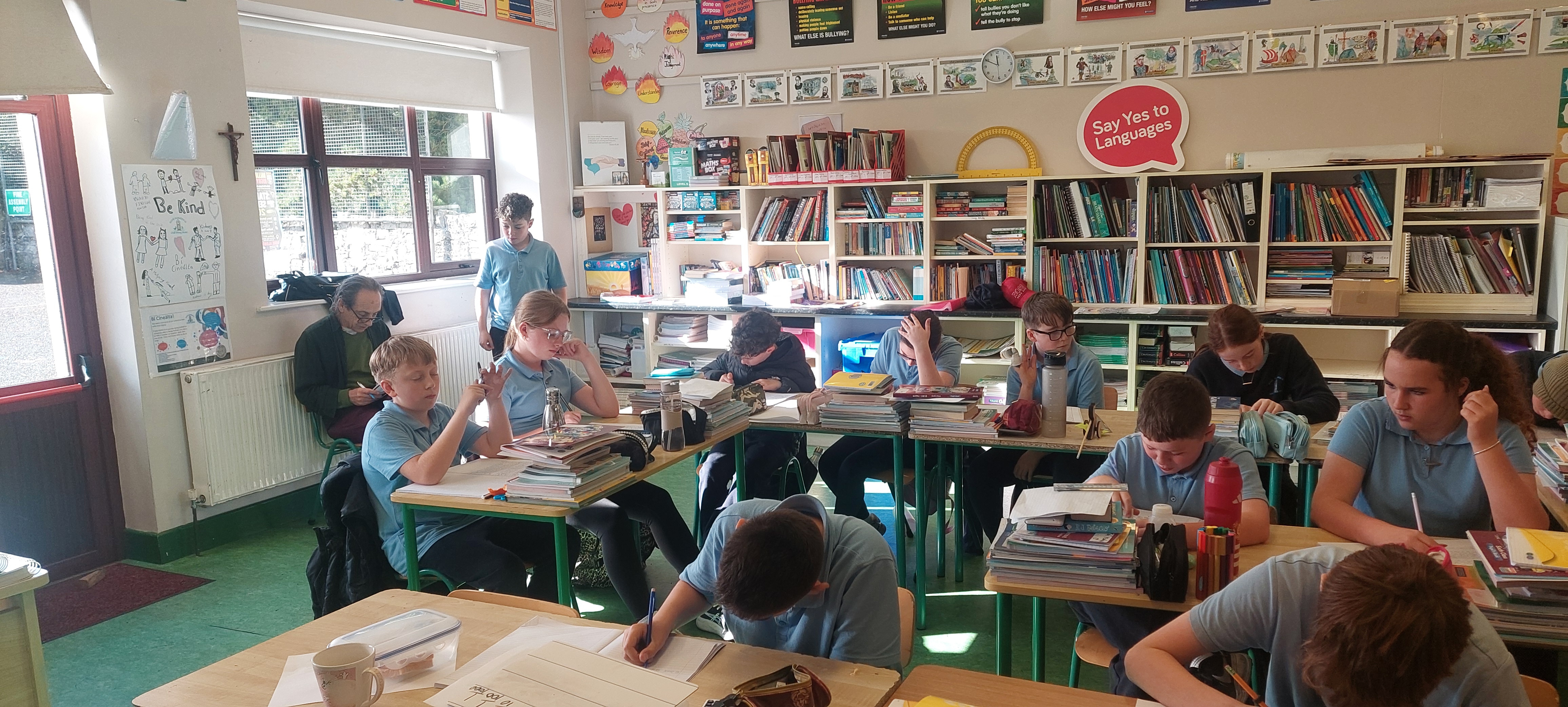
Sixth Class are enjoying a series of writing workshops with author Gerry Boland. Over the last four weeks the children have been exploring different forms of poetry and narrative writing. The quality of writing already produced is fantastic! It is wonderful to see the children take pride in their work as they share it with their peers and teachers.
Kilglass Woods
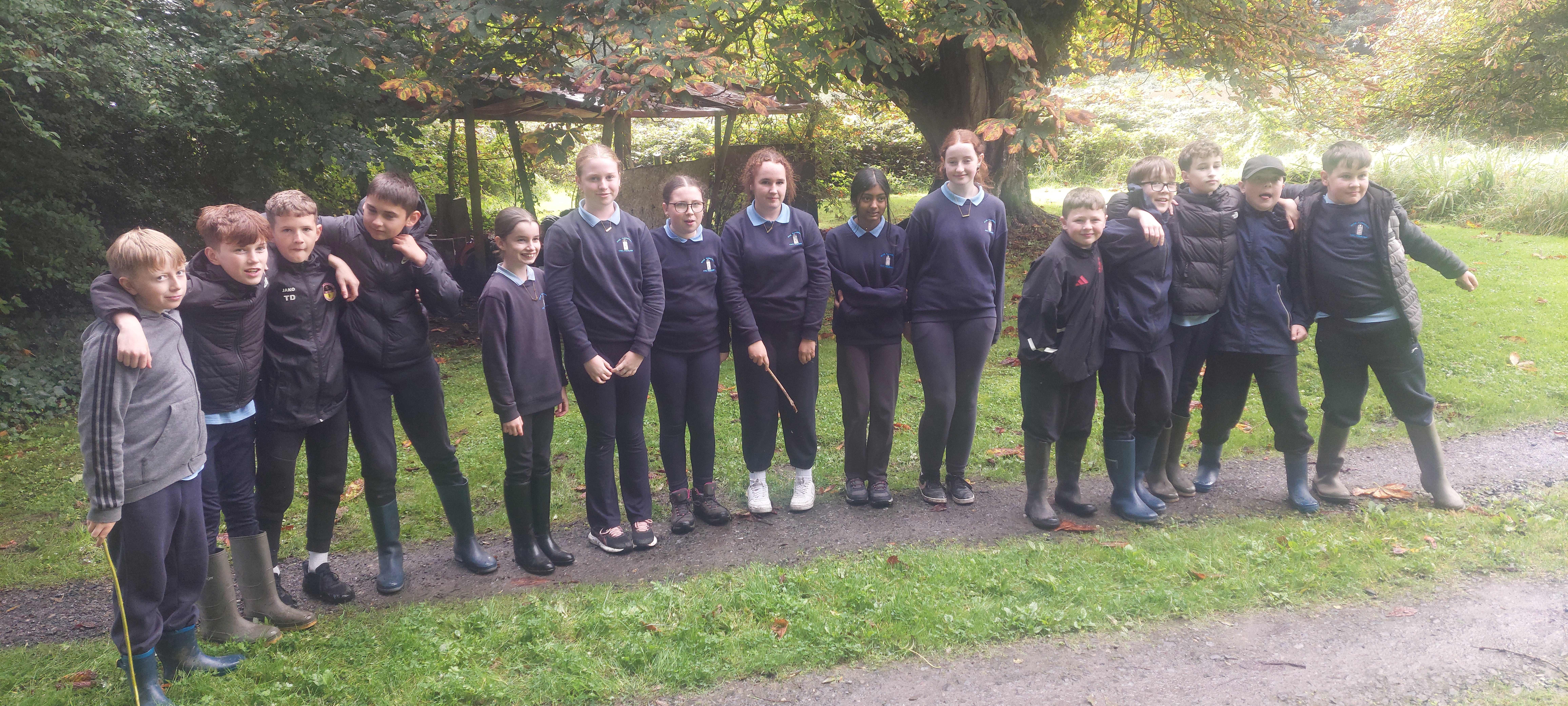
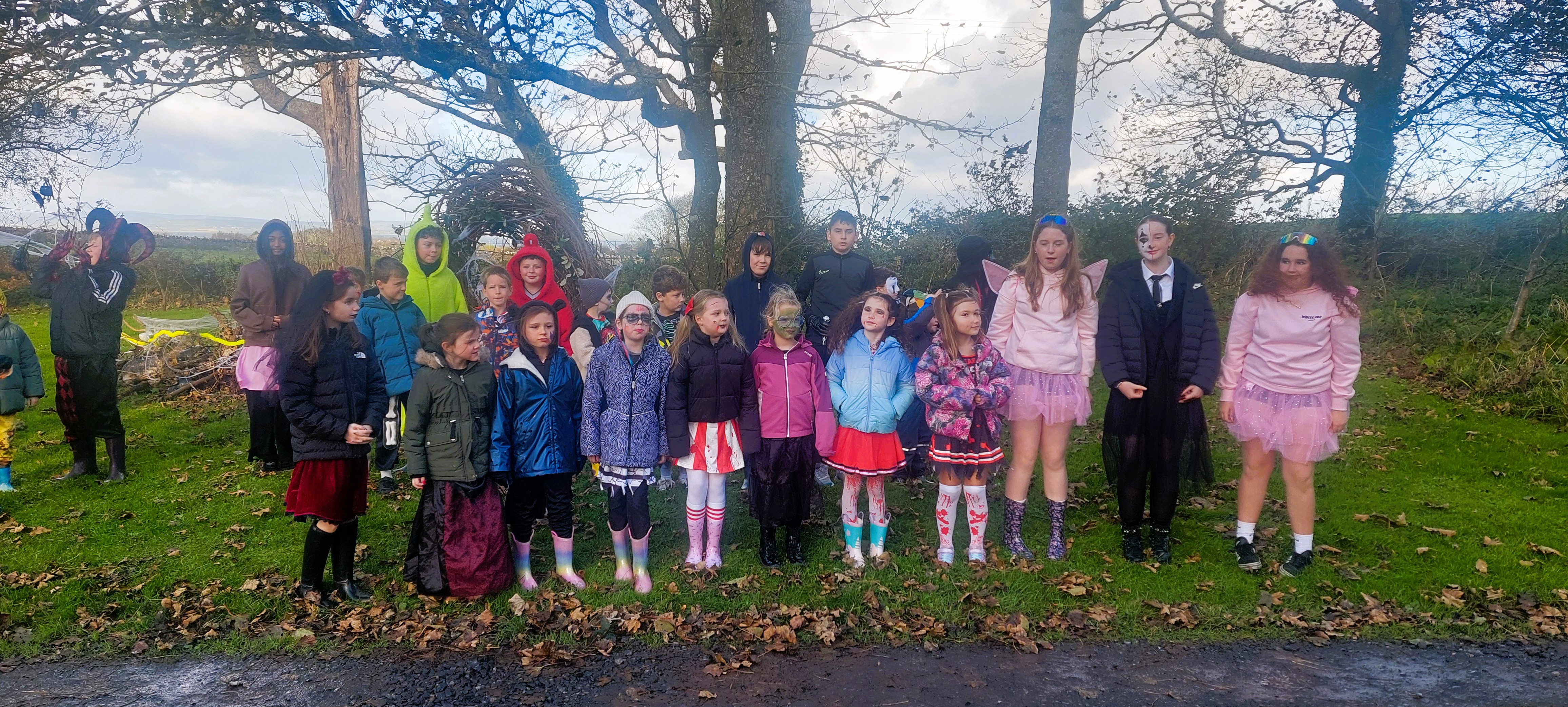
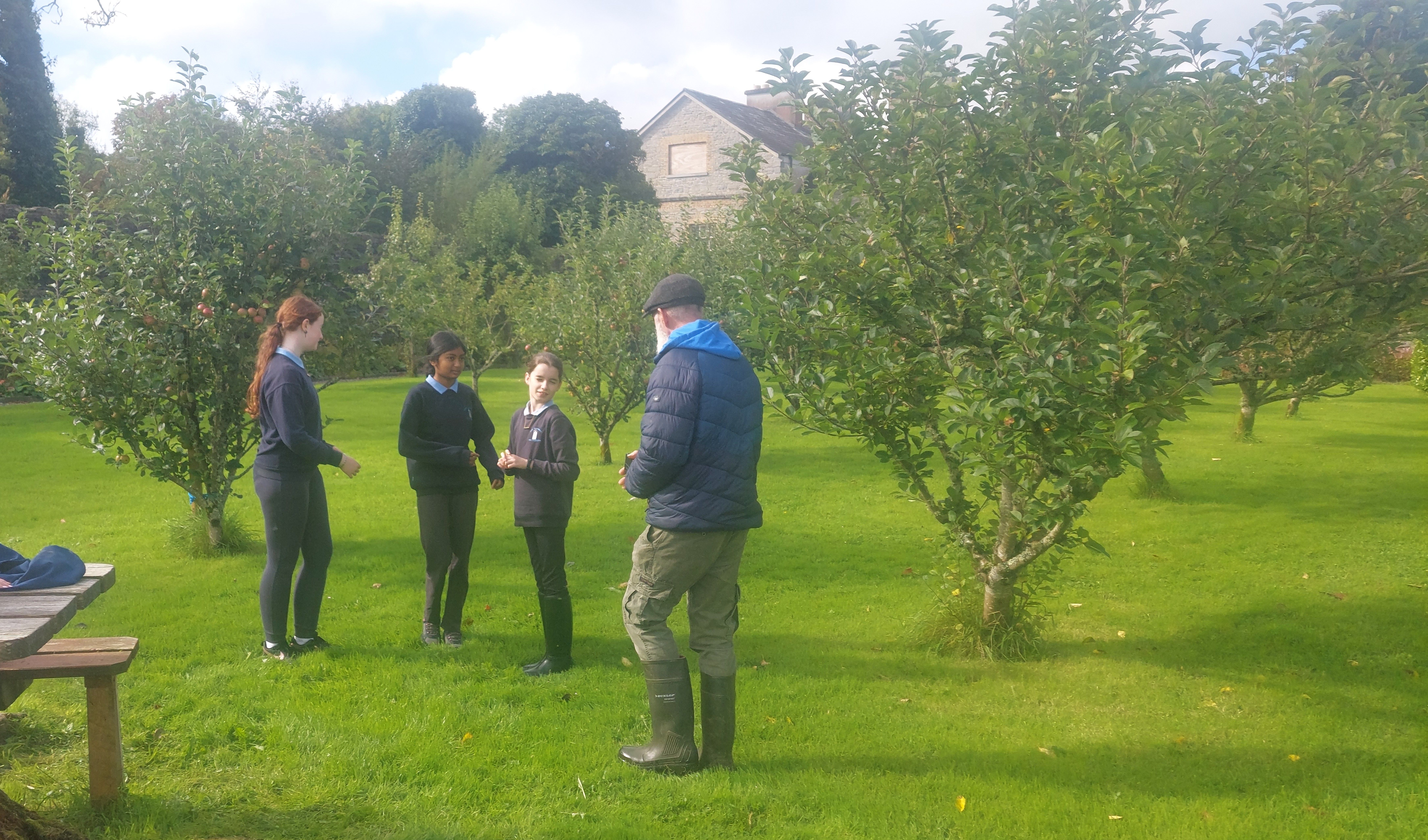
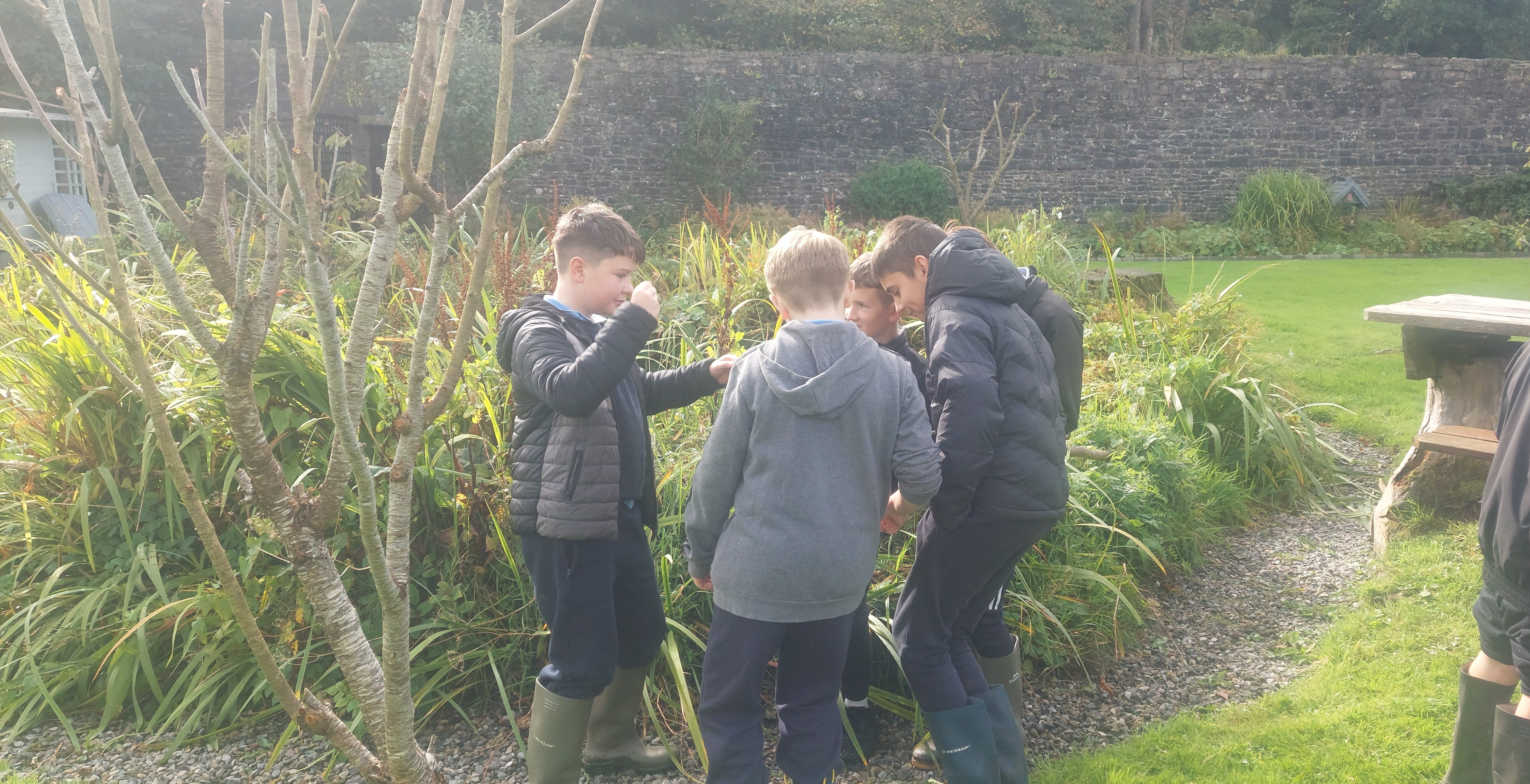
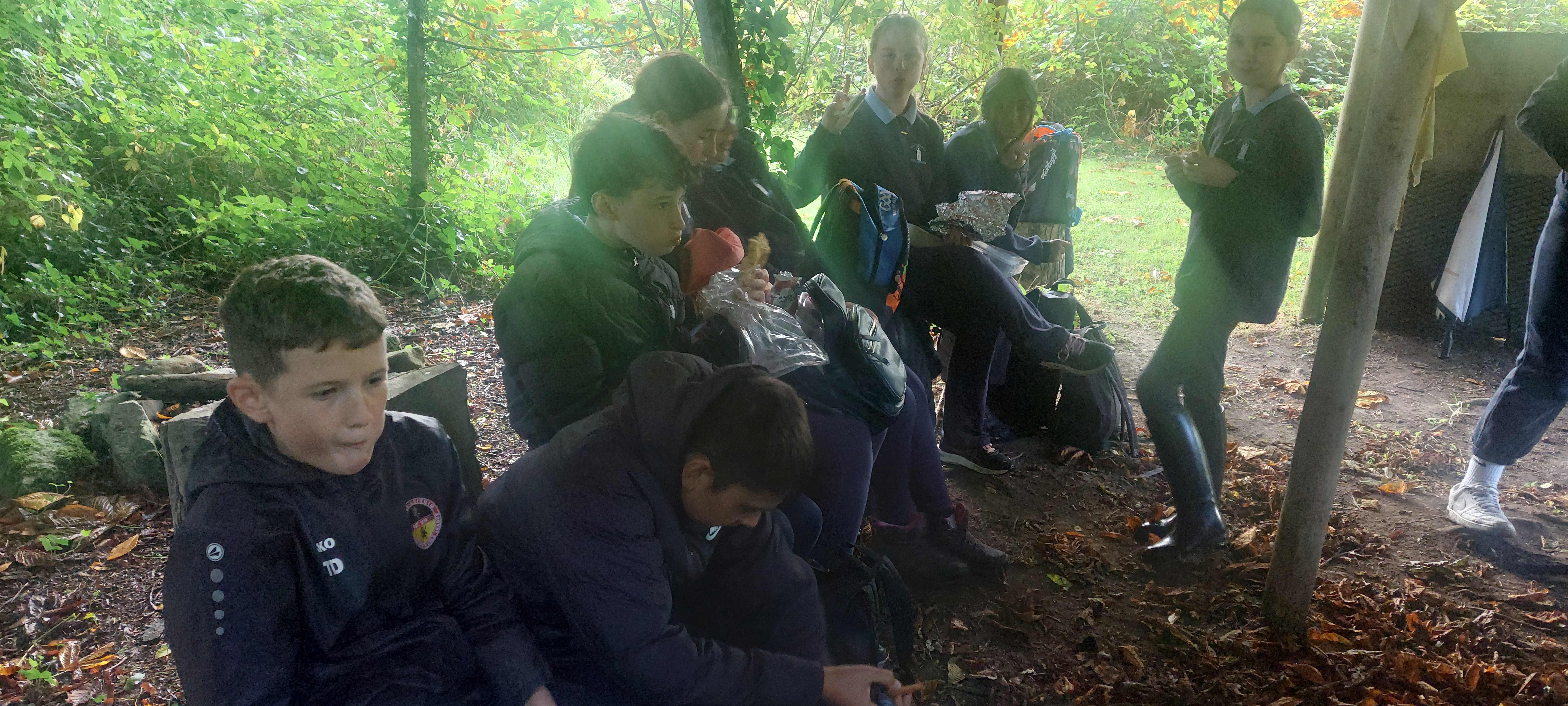
The children in Sixth Class had a fabulous day in Kilglass Woods with Daithi Lavelle. We engaged in hands-on, minds-on learning as we investigated Living Things such as trees, mushrooms, birds, bats and mammals on our explorations around Kilglass Woods. Daithi facilitated first-hand experiences of nature for our class. We learned about the Water Cycle and investigated the pond in Kilglass House and Gardens. We ended the day with free play in Kilglass Woods. We had a great day!
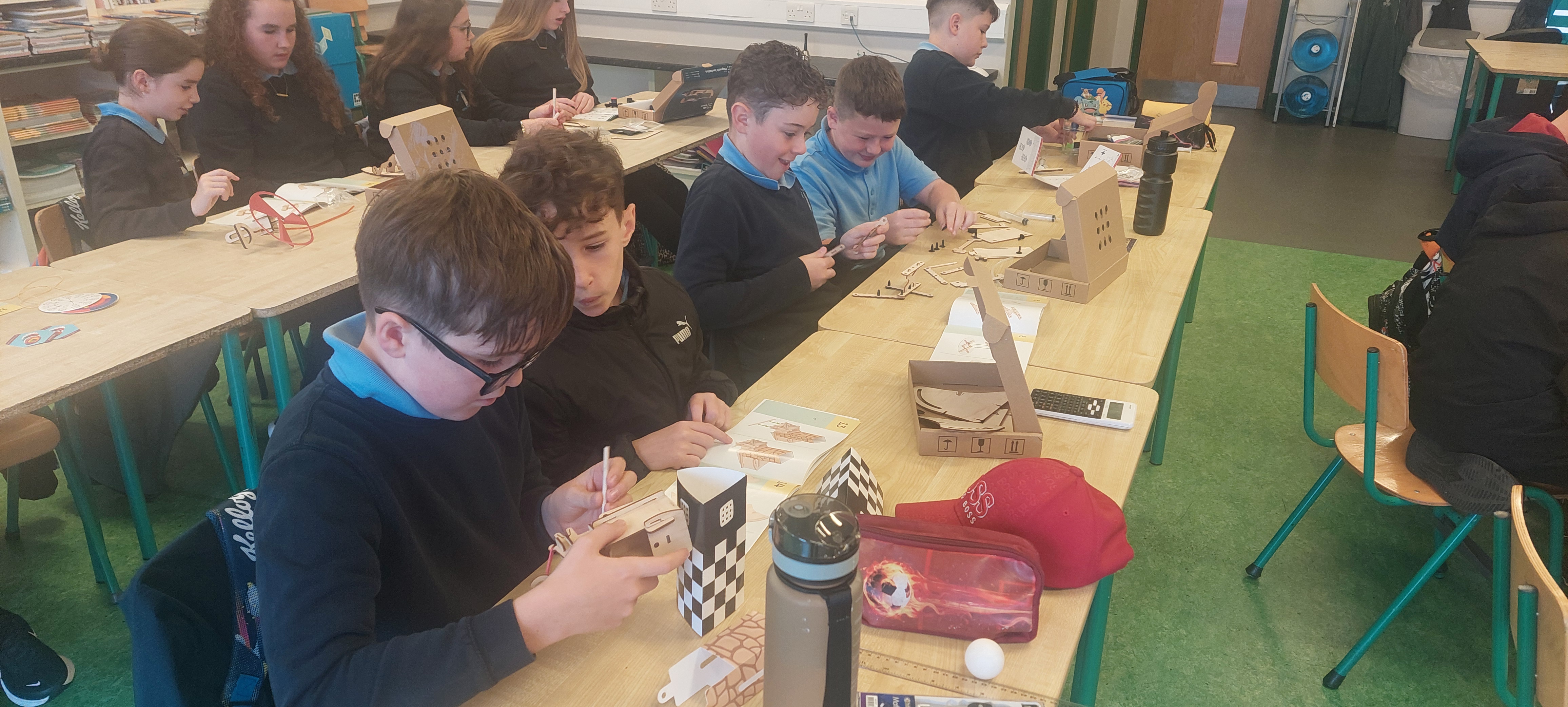
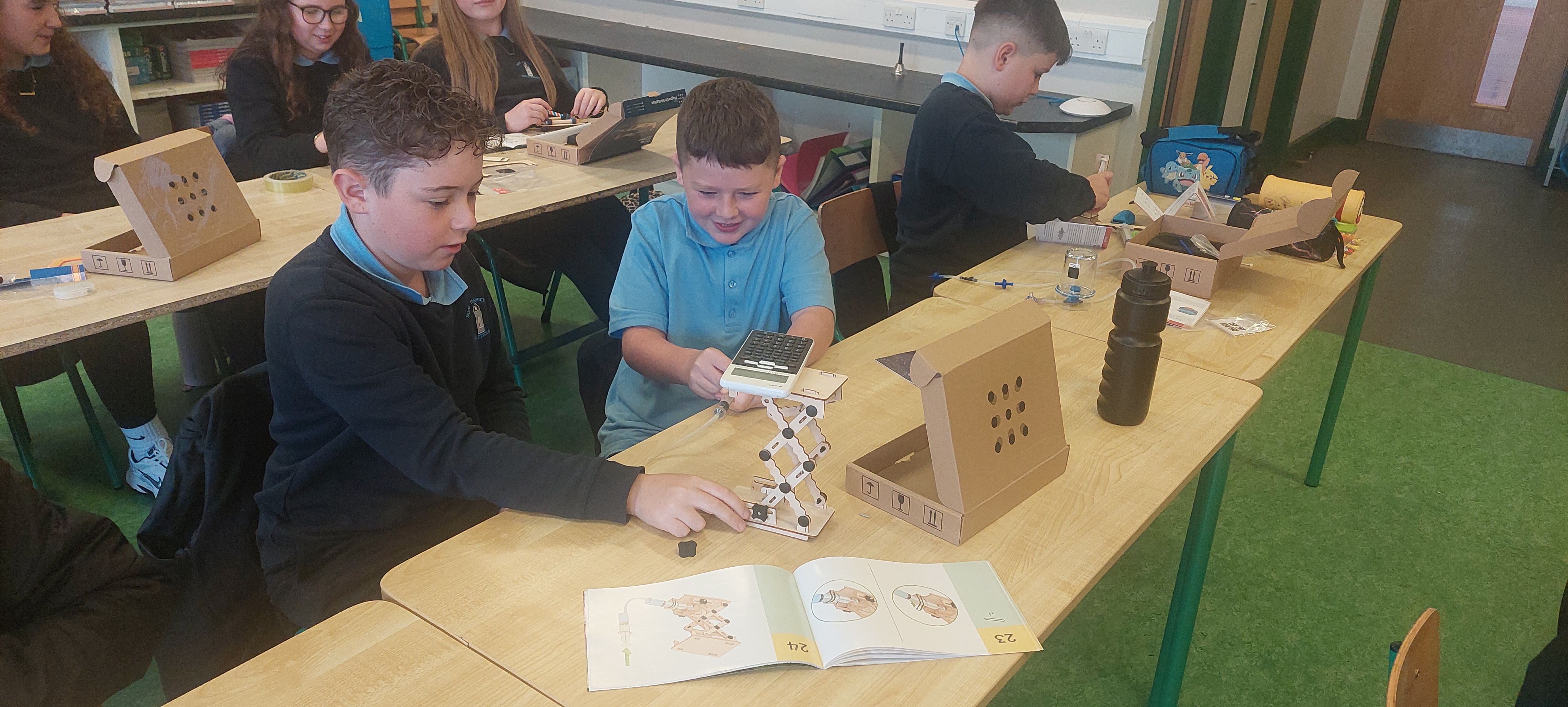
Design and Make
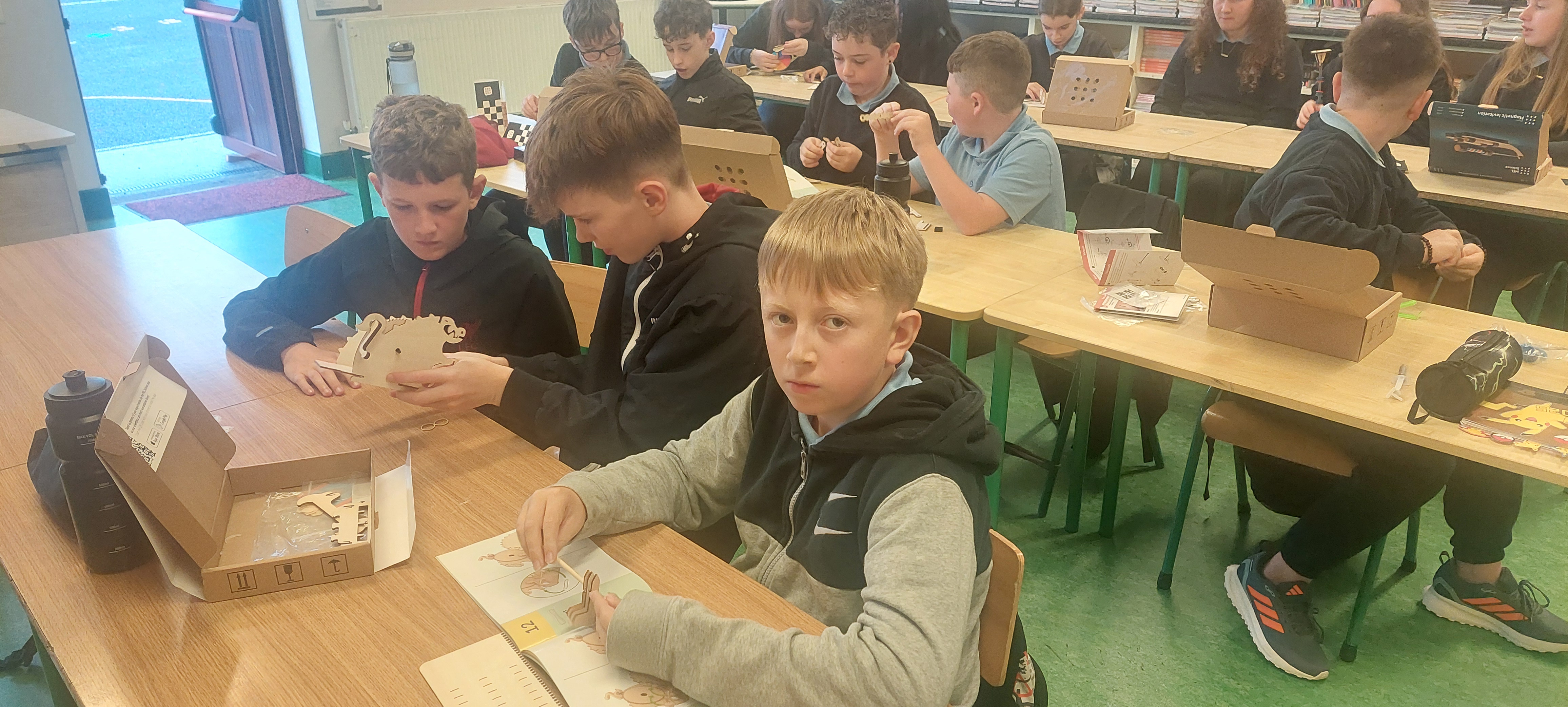
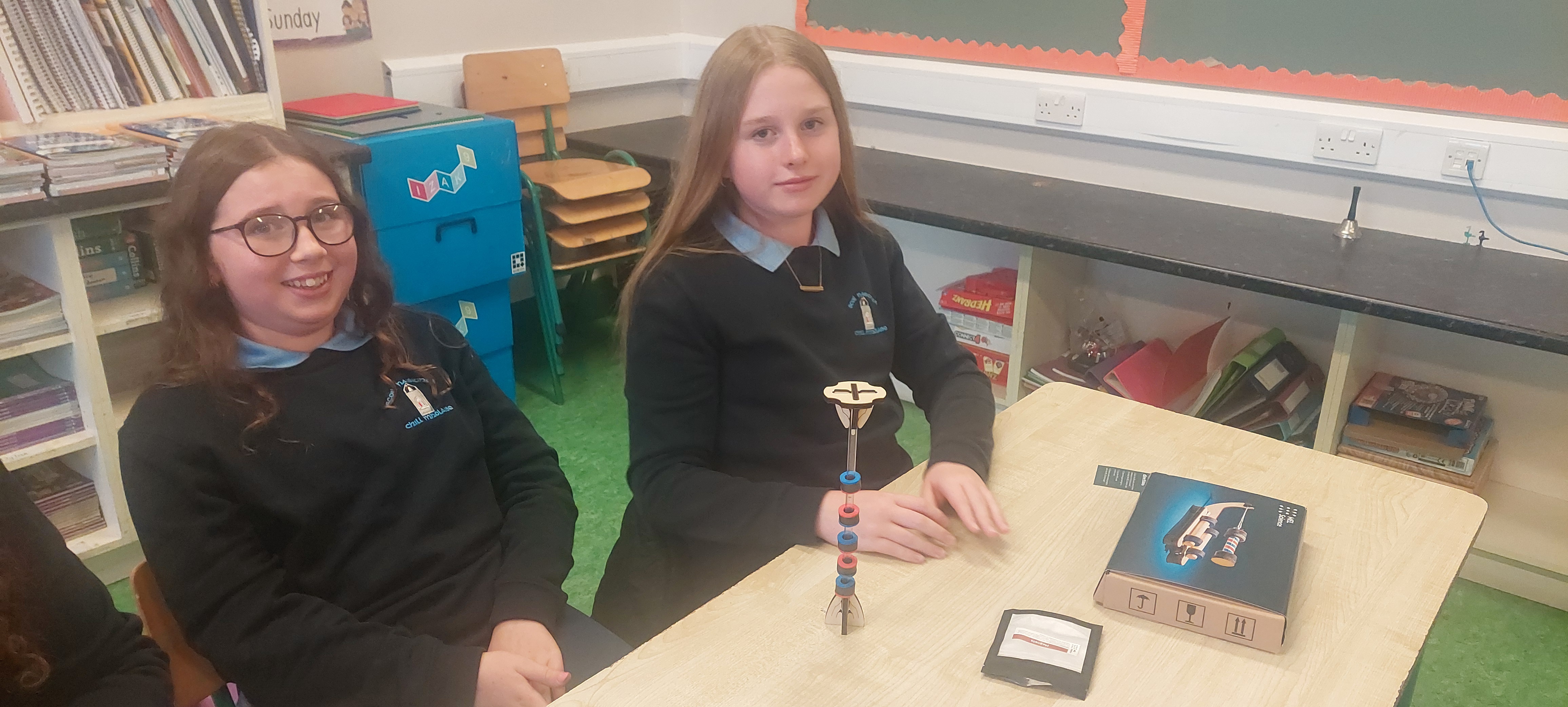
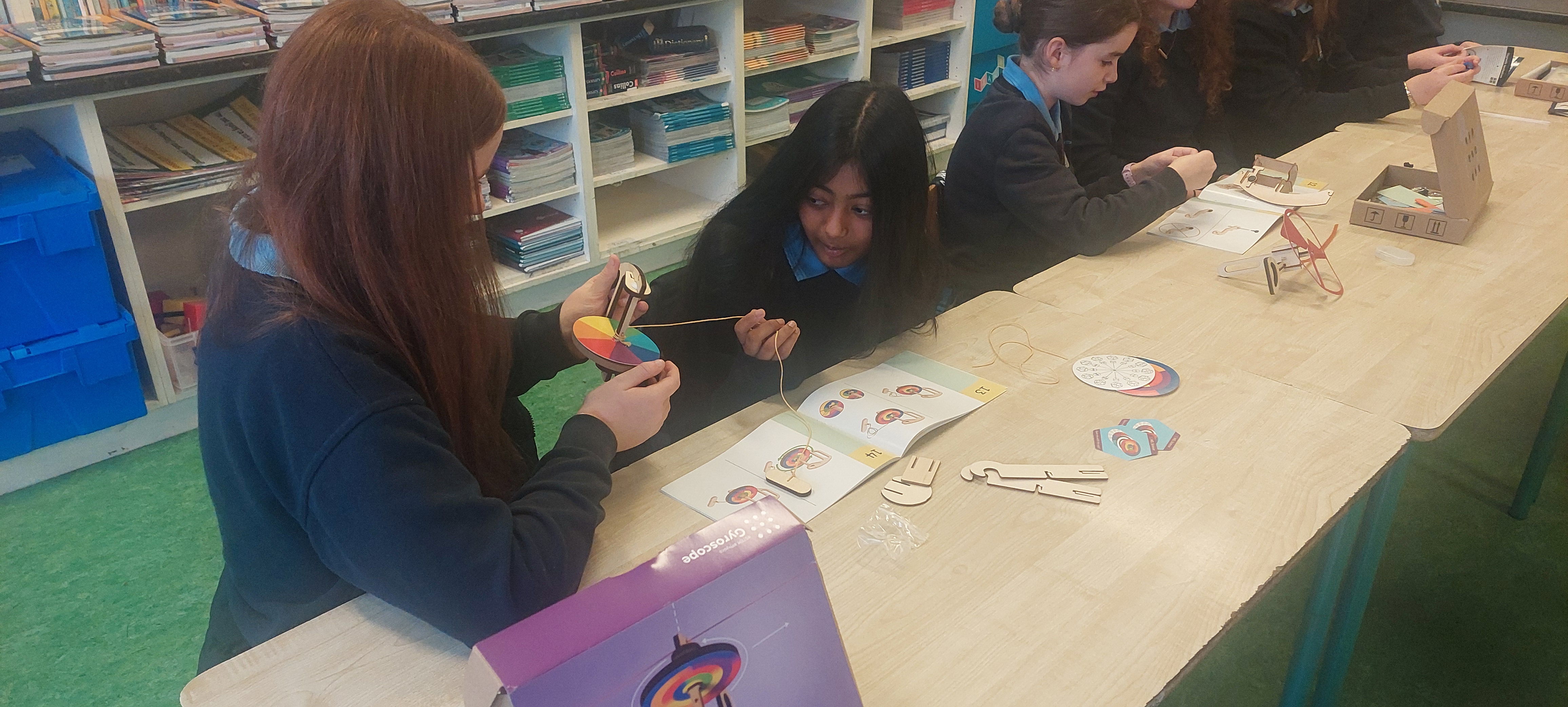
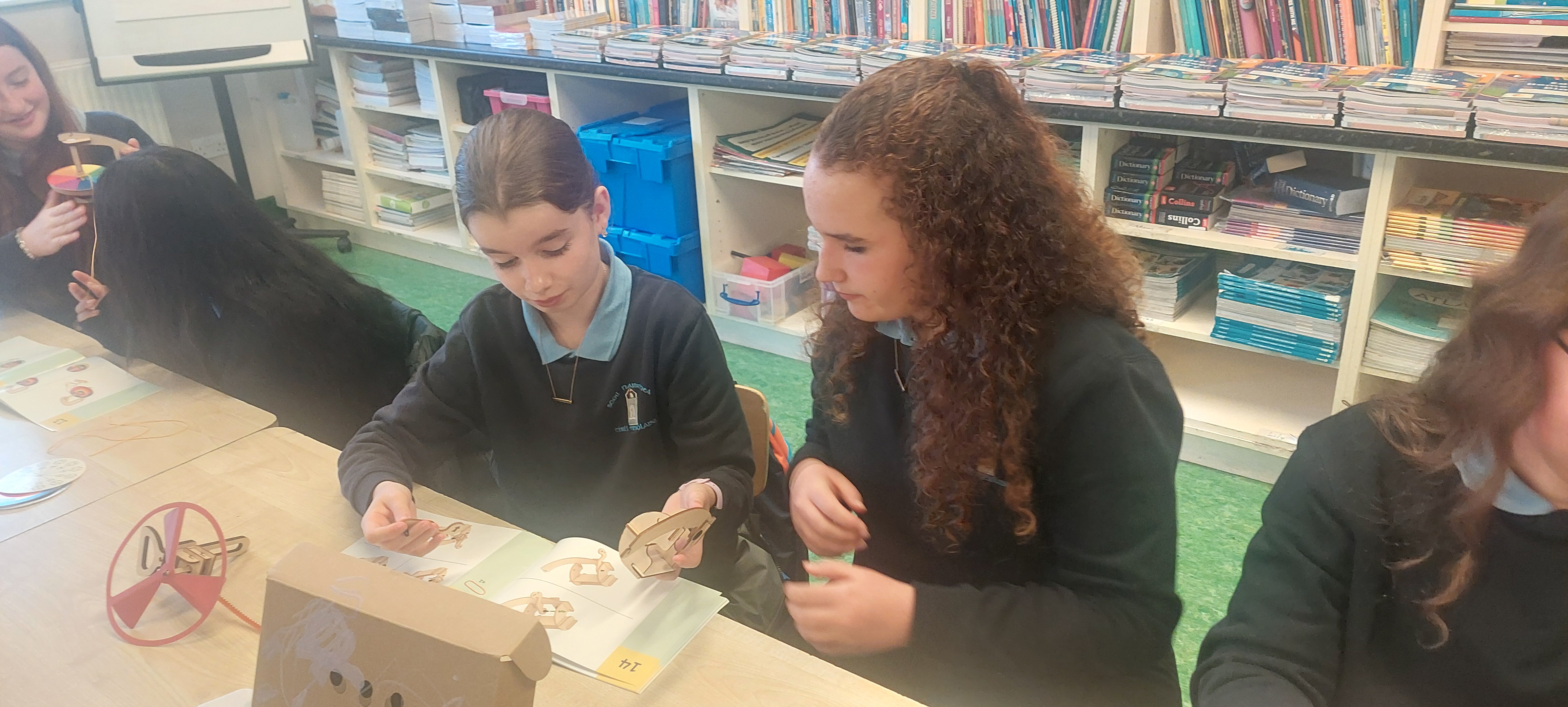
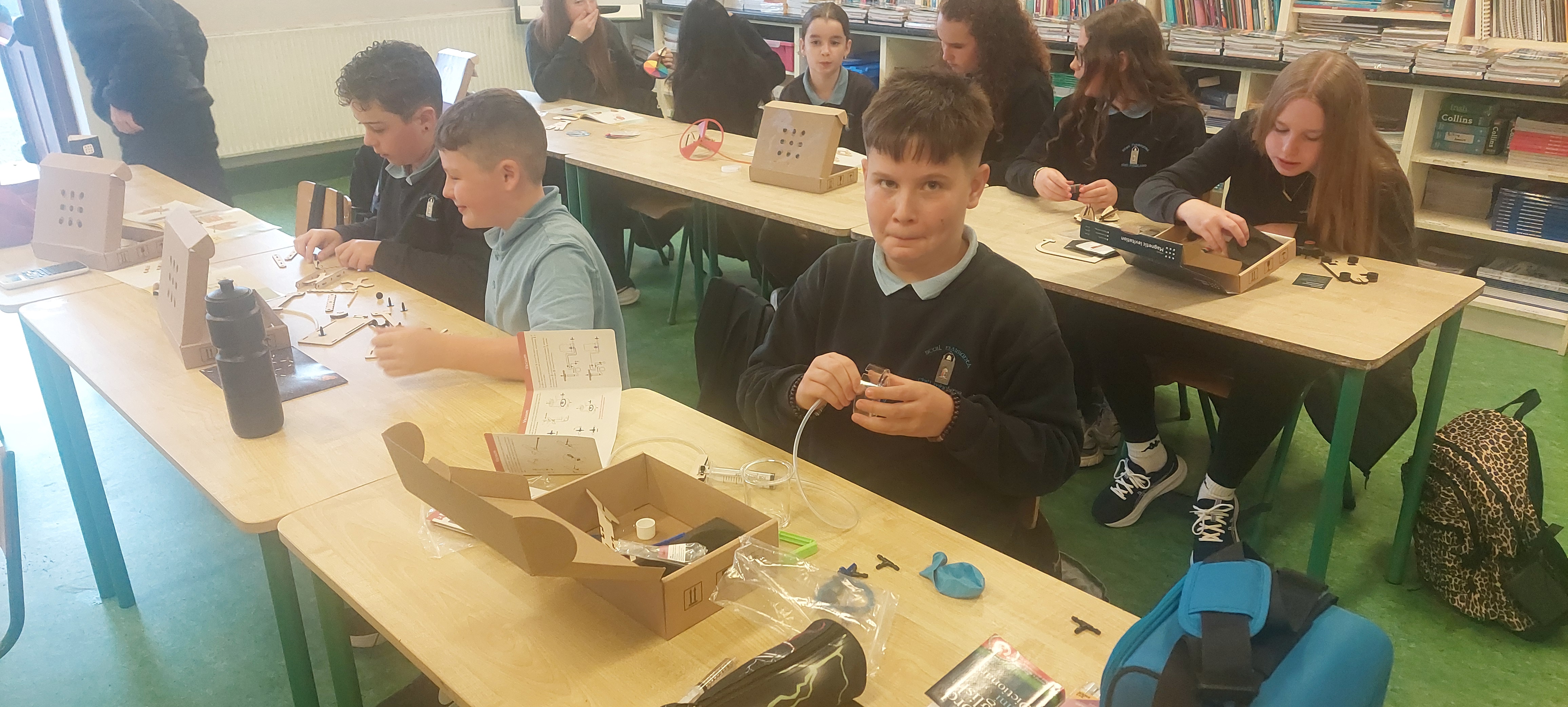
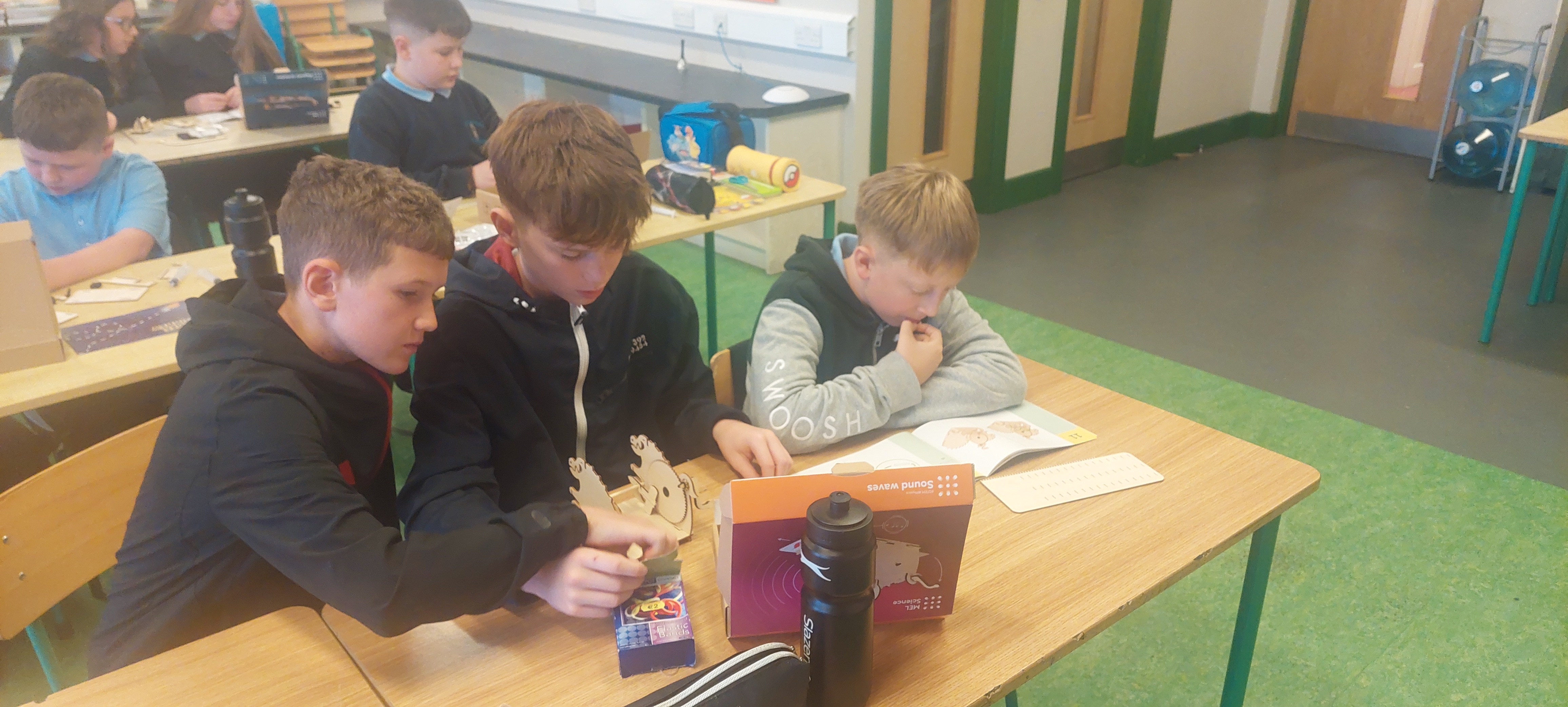
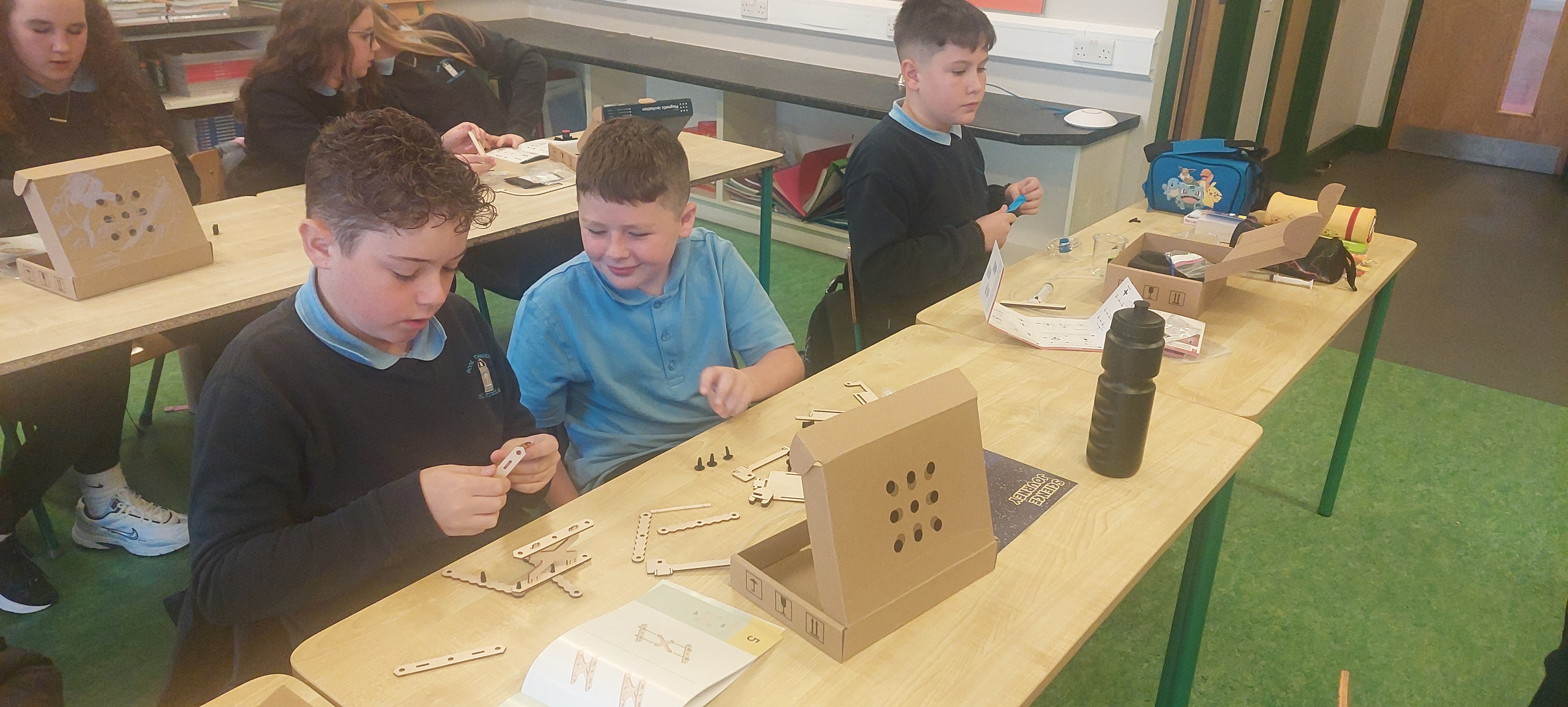
The children in Sixth Class were busy exploring the strand Energy and Forces. The Science of Light, Aircraft, Projectile Canons, Gyroscopes, Spring Force Cars, Sound Waves, Vacuums and Magnetic Levitation were just some of the projects the children investigated as they created prototypes and engaged in playful learning.
Mini-7s & Athletics Fest
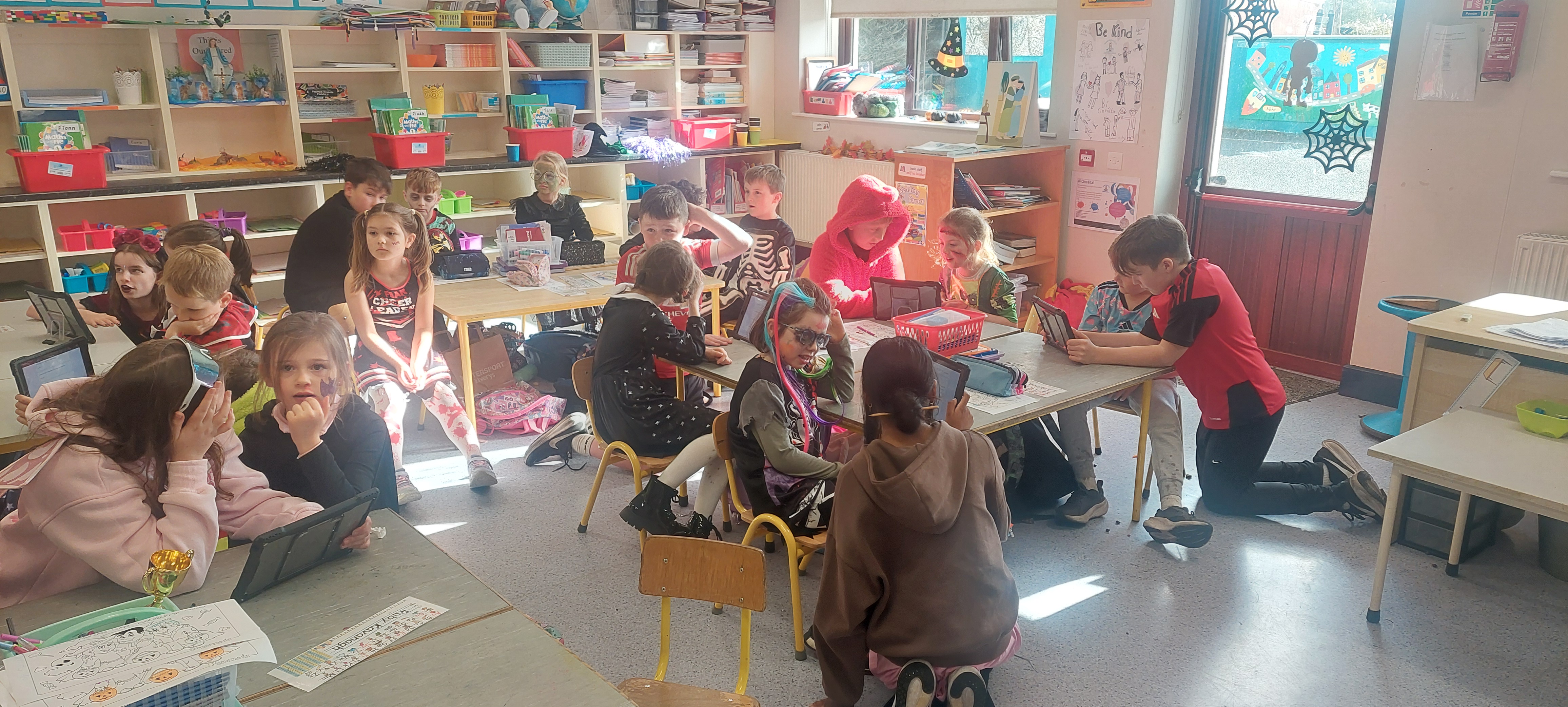
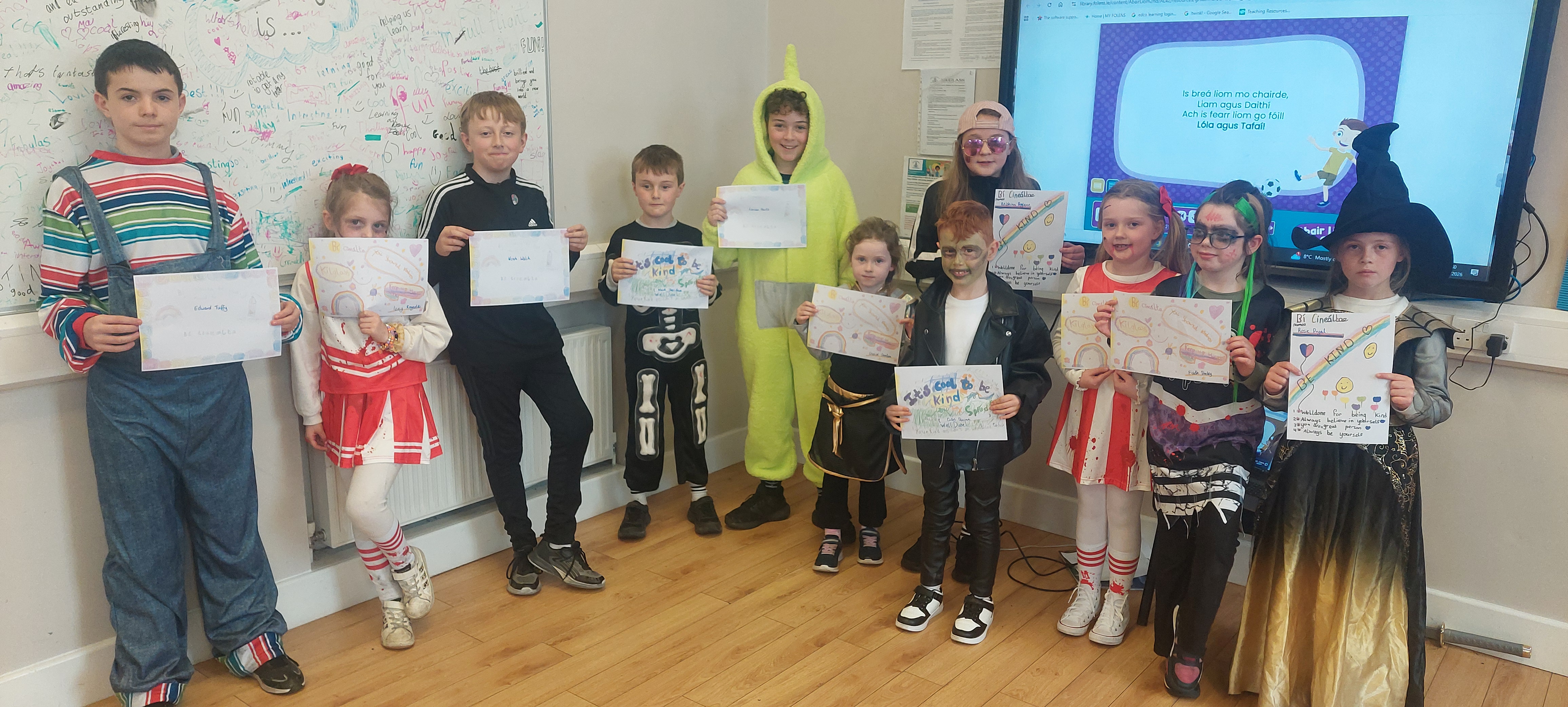
The boys and girls in Sixth Class had a very busy September taking part in Mini-7s and Athletics Fest in Sligo ATU.
Writing Genres
Recount Writing
To retell past experiences.
Purpose:
Personal
Factual
Imaginative
Framework
Setting:
Who? What? When?
Where? Why? How?
Events:
In time order
Concluding Statement:
**Recount writing is always
written in time order**
Examples:
My School Tour
St. Patrick’s Day
Language Features:
Specific participants
Linking words to do with time, e.g. later, after, before
Paragraphs in time order sequence
Action verbs
Simple past tense
Report Writing
To present factual information.
Purpose:
Objects
People
Places
Animals
Framework
Classification:
What is it?
Description:
Size? Shape? Features?
Place/ Time:
Where? What?
Dynamics:
What does it do?
Summarising Comment:
Example:
Frogs
Language Features:
Generalised participants
Impersonal objective language
Timeless present tense
Subject specific vocabulary
Procedural Writing
To list steps to follow in making/doing something
Purpose:
Give instructions on how to operate something e.g. washing machine
Show steps for making and doing e.g. baking a cake, playing a game
List sequences of actions e.g. find a location
Framework:
Aim:
What is to be done
Requirements:
List of what is needed
Method:
How to do it
Evaluation:
Was it successful?
Examples:
Cooking
Directions
Language Features:
Detailed factual description
Reader referred to in a general way or not mentioned at all, e.g. draw a line
Linking words to do with time e.g. after, as soon as
Tense is timeless
Action verbs often begin each sentence
Persuasive Writing
To persuade others in argument or debate
Purpose:
persuade readers to agree with one point of view
show all points of view and reach conclusion e.g. debate
argue a case
Framework:
State Problem/ Argument
Arguments for and supporting evidence
Arguments against and supporting evidence
Conclusion
Example:
Mobile phones should be banned
Language Features:
Generalised participants
Passives to help text structure
Linking words associated with reasoning e.g. therefore
Nominalisation (actions become things) e.g. to pollute becomes pollution
Explanatory Writing
To explain how things work or came to be.
Purpose:
Explains how things occur e.g. how does a rainbow occur?
How things work e.g. how do engines work?
Why things are or happen
Framework:
Definition:
What is it?
Parts:
Describe
Operation:
How it works
Application:
When/Where it works, how it’s used
Interesting Features:
Comment:
Evaluation:
Example:
How erosion occurs
Language Features:
Generalised non-human participants
Cause and effect relationships
Some passives e.g. is driven by
Timeless present tense e.g. soil is deposited
Narrative Writing
To tell an imaginative story, but this may be based on fact.
Framework:
Title:
Setting:
Who? Where? When?
Initiating Event:
How did the characters get involved?
Problem:
What is the problem? What is the conflict?
Resolution:
How was it solved?
Examples:
• Fairy tales
• Novels
• Fables
Language Features:
Usually past tense
Defined characters
Dialogue
Descriptive language to create images
Linking words to do with time
Comprehension Strategies
Predicting is like being a detective.
I can make predictions before and during reading.
I think about the information I know from the cover, pictures and the story.
I think about what will happen next and listen to the author’s clues.
It doesn’t have to be right!!
“I predict that …”
Explains why
Use prior knowledge
Use evidence and clues
What has happened so far?
What is the reason for your prediction?
Why do you think that?
What clues are you using to predict?
What will happen next because of this event? Why do you think this will happen?
We can ask questions anytime!
They help us to think more about what we read.
Sometimes we can find answers to our questions in the story or using our background knowledge.
Sometimes the author leaves us wondering!
Asking questions helps us to “solve” the story by putting all the pieces together.
“I wonder …?”
“Here” questions have obvious answers
What? When? Where? Which? How?
“Head” questions
Use your own thoughts, feelings and opinions
Use prior knowledge to make connections
Was it something that happened that made you think that?
Do you need to infer?
“Hidden” Questions
Try to use all the clues from the story so far.
Think about the characters in the story and the things they are doing
Why do you think he did that? How do you know?
Why do you think she felt that way? How do you know?
Why do you think he said that? How do you know?
Picture / movie in your head
We use our “movie” to help us picture the story inside our heads. Smells, sounds, taste and touch can make your movie better.
The words are like the script.
Change your movie as you get more information.
Everybody will have a slightly different movie.
Are you connecting with something?
My picture is slightly different …
Why did that picture come into your head?
Can you describe what you saw in the film of you head while reading?
Can you describe something you could see? / feel? / touch? / hear?
We can make connections at any time.
You think about something that happened in the story that reminds you of something else in:
The Story – Text to Text
Your Own Life – Text to Self
The World – Text to World.
Our background knowledge is very important here.
It makes the story come to life and you can imagine it better.
“It reminds me of …”
Did you make a connection with this text?
Did it remind you of anything?
What type of connection is that?
This strategy encourages readers to constantly ask themselves what is important in a sentence, phrase, paragraph, chapter or whole text.
I can understand the main ideas of the text and what the author’s message is.
The text was mostly about…
The important details were…
I will underline the key words ….
I think … and … are important
Who, what, when, where, why …
Famous Five Key Word Search
What’s Your Story
Main Idea Pyramid
Summarising is the ability to reduce a larger piece of text so the focus is on the most important elements of the text.
When I summarise I can think about what I have read and then focus on the most important elements.
First, next, finally, then…
I think the purpose of this text was to…
I can think about the most important parts and retell them in my own words…
Figure It Out


